Plumbing Maintenance Checklist for Las Vegas Homeowners
October 12, 2026

 8:00am – 6:00pm, Mon-Thur : 8:00am – 4:00pm, Fri-Sat: Sun-Closed
 Americanwood St, Las Vegas, NV 89130, United States
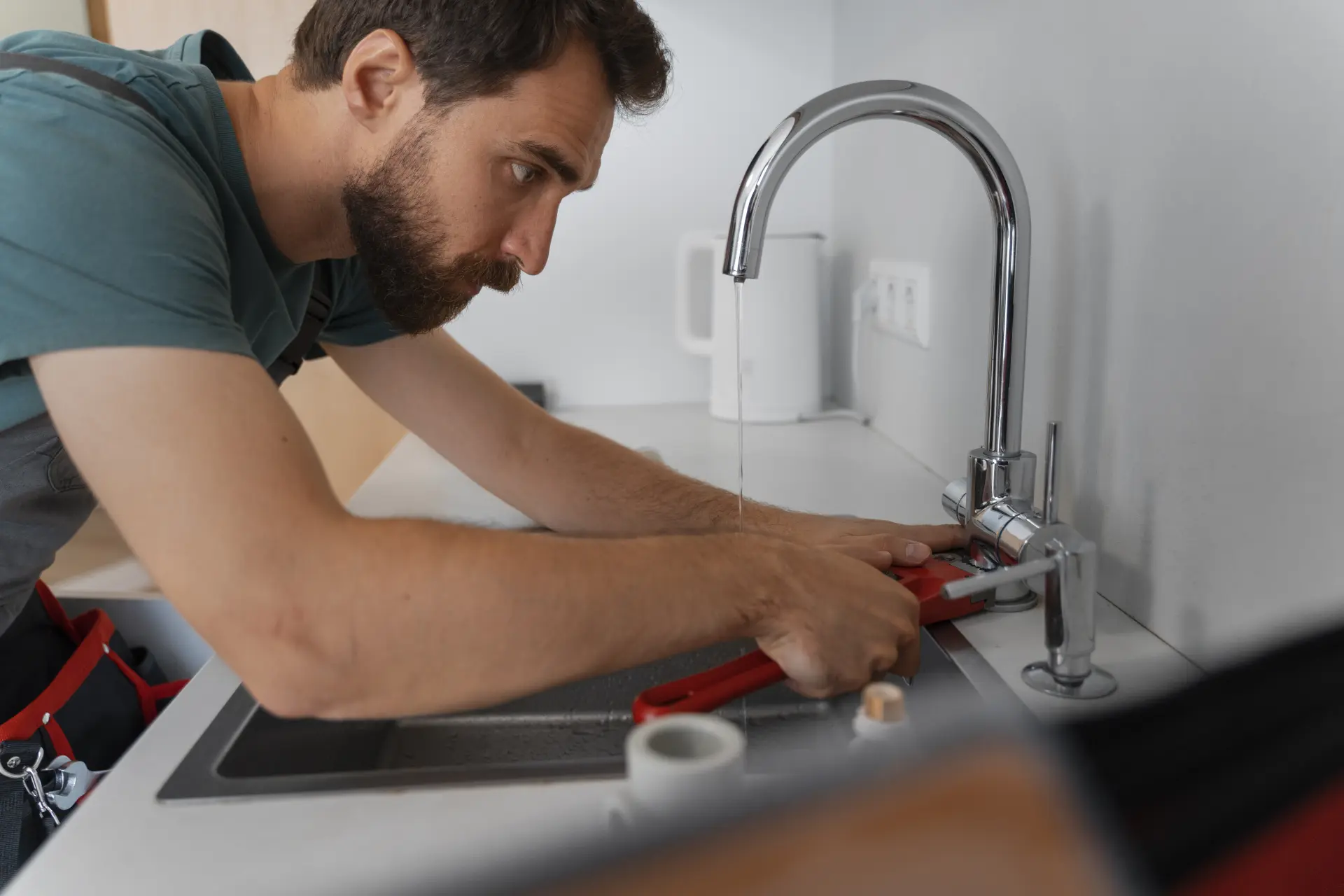
Plumbing problems rarely happen at a convenient time. A leaking faucet can gradually damage a cabinet, a running toilet can waste water, and an unnoticed plumbing connection can allow moisture to spread behind walls or beneath flooring.
While not every plumbing problem is preventable, regular maintenance can help homeowners recognize small issues before they become more serious.
For homeowners in Las Vegas, plumbing maintenance also involves understanding local water conditions. Southern Nevada’s mineral-rich water can contribute to scale buildup on faucets, showerheads, and certain water-using components, making routine inspections particularly useful.
The good news is that many basic plumbing checks don’t require specialized tools. Simply knowing what to inspect, how often to inspect it, and which warning signs deserve attention can make a difference.
This plumbing maintenance checklist for Las Vegas homeowners covers faucets, sinks, toilets, drains, water heaters, water pressure, plumbing connections, and water-damaged surfaces.
If you’ve already noticed a leak, reduced water flow, or another problem, explore our plumbing services in Las Vegas to learn about available repair options.
A home’s plumbing system includes much more than the pipes hidden behind its walls.
It consists of interconnected components that deliver water to fixtures, control flow, heat water, and remove wastewater.
These components include:
Each component can develop problems through normal wear, aging, mineral accumulation, installation issues, or other conditions.
Routine checks can help homeowners:
Preventive maintenance doesn’t guarantee that plumbing failures won’t occur. However, it makes it easier to recognize changes before extensive damage develops.
For an overview of common household issues, read our guide to common plumbing problems in Las Vegas homes.
Different plumbing components require different levels of attention.
Some inspections take only a few seconds and can be incorporated into ordinary household routines. Others are better performed periodically or by a qualified professional.
Once a month, consider checking:
These checks are primarily visual and observational.
You don’t need to dismantle plumbing components to recognize many early warning signs.
Periodically take a closer look at:
The appropriate interval may vary depending on your equipment and its condition.
An annual plumbing review can include evaluating:
Professional inspection may be appropriate for systems with recurring problems, older equipment, or symptoms that cannot be diagnosed through ordinary observation.
Faucets are among the most frequently used plumbing fixtures in a home.
Over time, internal components can wear, loosen, or develop problems that prevent the faucet from sealing properly.
Check for:
A faucet that continues dripping may have a worn cartridge, washer, seal, O-ring, or another component.
The space beneath kitchen and bathroom sinks is one of the easiest places to identify a slow plumbing leak.
Because these areas are often enclosed by cabinets, small amounts of moisture can go unnoticed.
Open the cabinet and inspect visible areas around:
Watch for:
A cabinet that smells damp or shows signs of swelling may indicate that moisture has been present.
Toilets contain several components that regulate water entering and leaving the tank.
When one of these components stops functioning correctly, the toilet may continue running, refill unexpectedly, or leak.
Possible warning signs include:
Common components associated with running toilets include:
Look for moisture around the base and near the water supply connection.
A toilet that rocks or moves should also be evaluated.
Movement can indicate mounting or underlying problems and may compromise the connection between the toilet and drain.
Slow drains often develop gradually. Material accumulates within the drainage system and restricts normal wastewater movement.
Kitchen drains may collect:
Bathroom drains may collect:
Avoid putting grease, cooking oil, or inappropriate waste into drains.
Use suitable drain strainers where appropriate to help catch debris before it enters the plumbing.
Pay attention to changes in drainage speed.
A drain that becomes progressively slower may be developing a restriction.
One slow fixture may indicate a localized blockage.
Multiple slow drains, repeated backups, or gurgling sounds from connected fixtures can indicate a broader drainage issue.
Persistent or widespread drainage problems should be evaluated by an appropriately qualified plumbing professional.
Water pressure and water flow are important indicators of plumbing performance.
If a faucet or shower suddenly produces less water than usual, there may be a fixture restriction or another plumbing problem.
Possible causes include:
Water heaters are essential household equipment, but many homeowners don’t think about them until hot water becomes unreliable.
Regular observation can help identify changes in performance.
Look for:
These symptoms can have different causes and shouldn’t automatically be attributed to the same problem.
Mineral-rich water can contribute to scale or sediment accumulation in certain water-heating systems.
In tank-style water heaters, mineral deposits and other material may settle over time.
Depending on the equipment and conditions, accumulation can affect performance or contribute to unusual noises.
Mineral deposits are particularly relevant to routine fixture maintenance in Las Vegas.
As hard water evaporates, calcium-related residue may remain on exposed surfaces.
Look for:
Not every leak creates visible dripping.
Water can escape inside walls, above ceilings, beneath floors, or behind fixtures.
Look for:
The location of a stain doesn’t always identify the source because water can travel along building materials.
Persistent moisture can damage:
If you notice unexplained moisture, identifying the source should take priority over cosmetic repairs.
Plumbing maintenance doesn’t end with inspecting pipes and fixtures. The surrounding building materials can also reveal warning signs.
Possible symptoms include:
However, not every wall stain comes from plumbing. Condensation, exterior moisture intrusion, and other causes can produce similar symptoms.
New or changing plumbing sounds can provide clues about system performance.
Different sounds may indicate different conditions.
A bang after water shuts off may be associated with water hammer, which involves a sudden pressure change.
Rattling can occur when water flow causes inadequately supported pipes or plumbing components to vibrate.
Whistling may involve restricted openings, valves, or other flow-related conditions.
Gurgling can occur when drainage or venting conditions interfere with normal air and wastewater movement.
Popping or rumbling may sometimes be associated with sediment in tank-style water heaters.
Noise alone isn’t enough to identify the exact cause.
For more detailed explanations, read Why Do My Pipes Make Noise? Common Causes in Las Vegas Homes.
One of the most useful parts of home plumbing maintenance is knowing how to stop the water supply when necessary.
If a plumbing connection fails and water begins escaping, locating the appropriate shutoff quickly can help reduce damage.
A major leak may release water faster than towels or containers can manage. Knowing where the main shutoff is located before an emergency can save valuable time.
Identify:
Avoid forcing an unfamiliar or deteriorated valve.
If a shutoff valve is leaking, seized, or visibly damaged, arrange appropriate professional attention.
Unexplained changes in water consumption can be an early clue that something needs attention.
Water bills and utility usage information can help homeowners recognize unusual patterns.
Possible reasons include:
A higher bill isn’t proof of a leak, but unexplained increases deserve investigation.
A water meter may help indicate whether water is flowing when no known fixtures or appliances should be using it.
Follow your water provider’s instructions when checking the meter.
Remember that irrigation, appliances, and other automatic equipment may also use water.
Homes with water-treatment equipment have additional components that may require maintenance.
Depending on the system, maintenance may involve:
Yes.
A filter that becomes restricted can affect flow through the system, depending on its design and installation.
If water flow changes after installing or servicing filtration equipment, the system may deserve evaluation.
Plumbing fixtures and connections may be affected during certain home improvement projects.
Kitchen and bathroom work can involve:
After relevant work is completed, monitor accessible fixtures for leaks and normal operation.
Las Vegas homeowners should consider several local conditions when planning household plumbing maintenance.
Southern Nevada water contains dissolved minerals associated with hardness.
Mineral accumulation can become noticeable around fixtures and certain water-using components.
Water heaters, faucets, valves, and other components should be monitored according to their condition and manufacturer recommendations.
Where plumbing components are exposed outdoors, environmental conditions and the installation’s design can affect their maintenance needs.
Avoid assuming every exterior plumbing issue is caused by heat alone. Material, installation, age, and exposure all matter.
An older plumbing system may have different maintenance concerns than a recently installed system.
However, installation quality and maintenance history can matter as much as age.
Some maintenance involves simple observation, while other tasks require specialized knowledge or equipment.
Professional assistance is appropriate when:
Attempting complex repairs without identifying the actual cause can create additional problems.
For plumbing-related repair needs, review our plumbing services in Las Vegas.
Homeowners can visually check faucets, toilets, sink cabinets, and visible plumbing connections monthly. More detailed maintenance intervals depend on the equipment, its age, condition, and manufacturer recommendations. Professional evaluation may be appropriate when recurring or unexplained problems develop.
Checking for leaks and unexpected moisture is particularly valuable because ongoing water exposure can damage surrounding materials. Knowing where the home’s water shutoff is located is also important.
Hard water can contribute to mineral deposits on faucets, showerheads, and certain water-using components. Routine inspection and appropriate fixture cleaning can help manage visible accumulation.
Possible warning signs include leaks, running toilets, slow drains, reduced water flow, unexplained moisture, unusual plumbing noises, and changes in water heater performance. The appropriate repair depends on the source of the problem.
Maintenance cannot prevent every concealed leak, but it can help homeowners identify warning signs earlier. Monitoring water usage, inspecting visible connections, and investigating moisture can reduce the chance that some problems remain unnoticed for long periods.
Common factors can include normal component wear, aging fixtures, installation issues, mineral buildup, leaks, drainage restrictions, and water-heater problems.
Yes. Maintenance focuses on monitoring equipment, following manufacturer recommendations, and addressing developing concerns. Repair involves correcting a specific malfunction, leak, damaged component, or other plumbing problem.


 Americanwood St, Las Vegas, NV 89130, United States
 savemorehm@gmail.com
Get a Free Estimate Today!
Call us for a cost estimate over the phone.
Copyright © 2026 Save More Handyman Services. All rights reserved