10 Signs Your Water Heater Needs Repair in Las Vegas
October 16, 2026

 8:00am – 6:00pm, Mon-Thur : 8:00am – 4:00pm, Fri-Sat: Sun-Closed
 Americanwood St, Las Vegas, NV 89130, United States
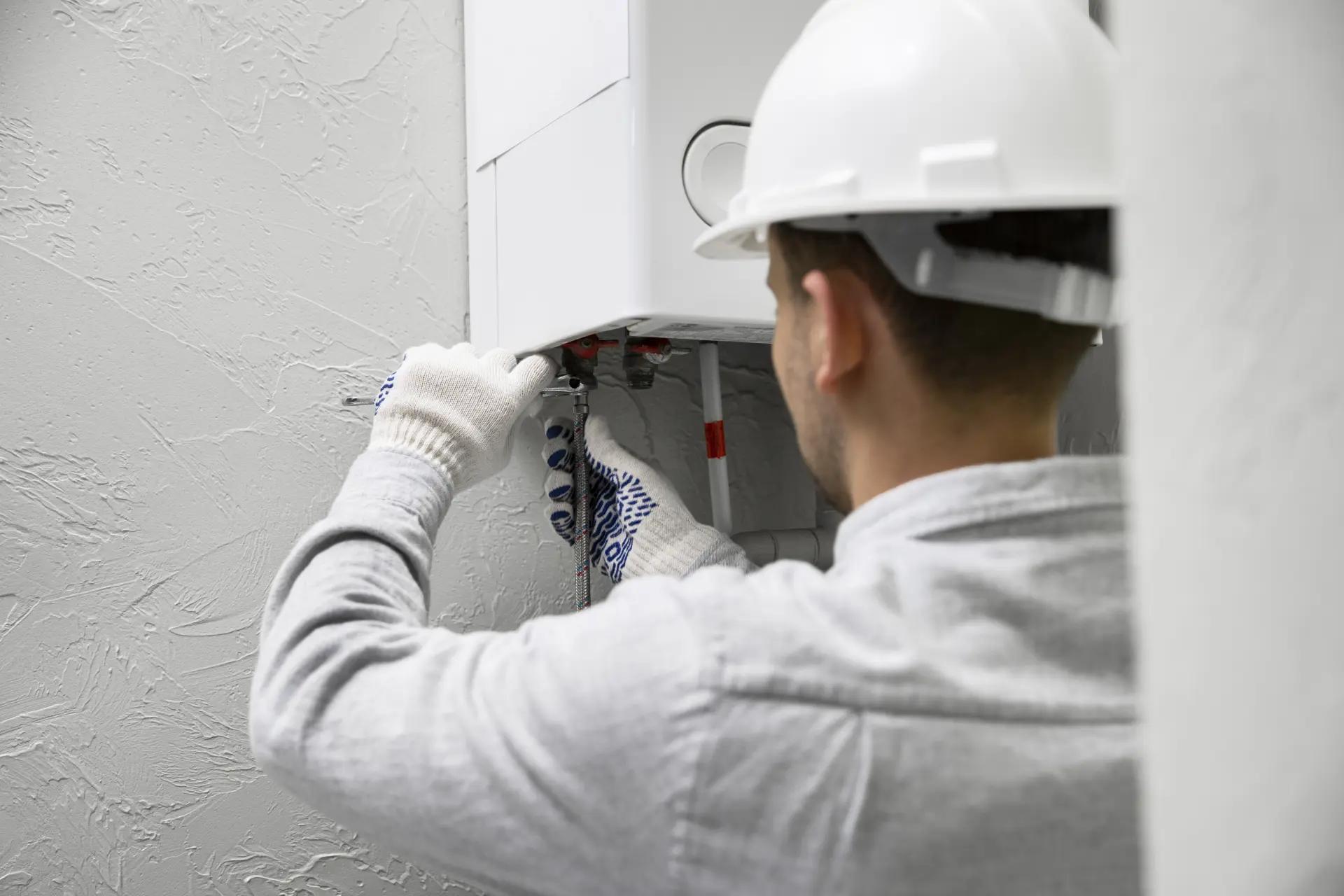
A reliable water heater makes everyday tasks easier, from taking a warm shower to washing dishes and doing laundry. When something goes wrong, the first signs may be subtle. You might notice that hot water runs out sooner than usual, the temperature changes unexpectedly, or unfamiliar noises come from the water heater.
Other warning signs are more obvious, such as water collecting around the unit, rusty-looking hot water, or a complete loss of hot water.
For homeowners in Las Vegas, water heater maintenance also involves understanding local water conditions. Southern Nevada’s mineral-rich water can contribute to sediment and scale accumulation in certain water-heating systems, although not every water heater problem is related to hard water.
Recognizing the early signs your water heater needs repair can help you determine when professional inspection is appropriate and whether the issue may involve a repairable component or a more serious equipment failure.
Below are ten common water heater warning signs, their possible causes, and what homeowners should know before deciding between repair and replacement.
If your water heater is leaking, producing insufficient hot water, or showing other problems, explore our water heater repair and installation services in Las Vegas.
Water heaters can develop problems involving heating components, temperature controls, water connections, internal components, or the tank itself. The warning signs depend partly on the type of water heater installed.
For example, traditional tank-style water heaters store heated water, while tankless systems heat water as needed. Although these systems operate differently, both can experience performance problems.
Watch for:
One symptom doesn’t always identify the exact cause.
A professional evaluation may be necessary to determine whether the problem involves the water heater, connected plumbing, or another part of the system.
One of the most common signs of water heater trouble is running out of hot water sooner than expected.
You may notice that showers become cold more quickly or that hot water is no longer available for several household activities in succession.
Several factors can contribute to insufficient hot water, including:
The cause depends on the water heater type and operating conditions.
Before assuming the heater has failed, consider whether household hot-water usage has changed.
For example, more people taking consecutive showers can place greater demand on a storage-type water heater.
However, if your household routine hasn’t changed and hot water suddenly runs out much faster, the equipment may deserve inspection.
If insufficient hot water becomes a recurring problem, or the system no longer meets the household’s normal needs, appropriate professional evaluation can help determine whether repair, maintenance, or replacement is necessary.
Learn more about water heater repair and installation in Las Vegas.
Unusual sounds are another warning sign worth investigating.
Homeowners sometimes describe water heater noises as:
Different noises can have different causes.
In some tank-style water heaters, mineral sediment can accumulate over time.
As water is heated, conditions around the sediment may contribute to popping or rumbling sounds.
However, sediment isn’t the only possible explanation.
Water heaters contain multiple components, and noises can also originate from nearby plumbing or other equipment conditions.
Water around a water heater deserves prompt attention.
However, finding moisture near the unit doesn’t automatically mean the tank itself has failed.
Possible sources include:
The source needs to be identified before deciding whether the unit can be repaired.
A significant or uncontrolled leak can cause substantial property damage and requires prompt attention. If water is actively escaping and it is safe to do so, shutting off the appropriate water supply may help limit damage.
Avoid contact with electrical equipment or unsafe areas. Water heaters may also involve gas, electricity, hot water, and pressure. Repairs involving these hazards should be handled by appropriately qualified professionals.
A water heater should provide reasonably consistent hot water under normal operating conditions.
If the temperature repeatedly changes without an obvious reason, there may be a problem requiring attention.
Possible explanations include:
The likely cause depends on whether the issue affects one fixture or multiple fixtures.
Unexpectedly hot water can create a scalding risk, especially for children, older adults, and people with limited mobility. Avoid making unfamiliar adjustments to water-heater controls or safety devices.
A qualified professional can evaluate the system and identify the appropriate correction.
A complete loss of hot water is one of the clearest signs that something isn’t functioning as expected.
However, it doesn’t necessarily mean the entire heater needs replacement.
Possible causes depend on the equipment type.
For electric systems, issues may involve electrical supply, heating elements, controls, or other components.
For gas-fired systems, the problem may involve ignition, fuel supply, controls, or other equipment-related conditions.
Tankless water heaters have their own operating and troubleshooting requirements.
Water heaters combine several potential hazards, including:
Avoid opening electrical compartments, bypassing safety controls, or attempting gas-system repairs without appropriate qualifications.
If your home has no hot water, professional diagnosis can help determine whether the issue is repairable.
Visit our Las Vegas water heater repair and installation page for available services.
Changes in water appearance can raise questions about the condition of the plumbing or water-heating system.
You might notice yellowish, brownish, or reddish discoloration.
Possible causes include:
The pattern matters.
Compare hot and cold water from more than one fixture. If discoloration affects only hot water at multiple fixtures, the water heater or hot-water plumbing may deserve closer investigation.
If both hot and cold water are affected, the cause may involve the broader water supply or plumbing system.
An unexpected odor from hot water can be unpleasant and may indicate that something needs investigation.
However, the type and source of the smell matter.
Water odors can involve several factors, including:
A sulfur-like odor sometimes described as resembling rotten eggs may occur under certain water and equipment conditions. However, an odor alone is not enough to diagnose the cause.
Weak hot-water flow can sometimes be associated with the water-heating system or connected plumbing.
However, low hot-water flow and low water pressure are not always the same thing.
Possible causes include:
Occasional maintenance or replacement of a component doesn’t necessarily mean a water heater is failing.
However, recurring breakdowns can indicate that the equipment deserves a more comprehensive assessment.
Examples include:
Several factors should be considered:
There is no universal rule that every water heater must be replaced after a specific number of years. The correct decision depends on the particular unit.
Visible deterioration can be another reason to inspect a water heater and its connected plumbing.
Possible warning signs include:
Not every surface stain indicates a serious equipment problem.
However, corrosion accompanied by moisture or recurring leakage deserves attention.
Water hardness is an important part of the local plumbing discussion.
Las Vegas Valley water contains naturally occurring calcium and magnesium.
These minerals can contribute to scale or sediment accumulation in certain water-heating equipment.
In conventional storage water heaters, mineral material may accumulate over time.
Depending on the system, sediment may contribute to:
However, the extent of these effects varies.
Tankless water heaters operate differently from storage-tank systems.
Mineral scale can affect certain heat-exchanger passages and components, depending on water conditions and equipment design.
Maintenance requirements should follow the manufacturer’s instructions.
Some homeowners investigate water treatment to address mineral-related concerns.
However, filtration and softening aren’t interchangeable.
Traditional water softeners specifically reduce calcium and magnesium hardness, while filtration systems address substances according to their technology.
Explore our water filtration systems in Las Vegas for more information about available treatment services.
Not every water heater problem requires replacing the entire unit.
The correct choice depends on the nature of the failure.
Repair may be worth considering when:
Examples may include certain equipment controls, connections, or other serviceable components.
The exact repair options depend on the water heater model and applicable requirements.
Replacement may be more appropriate when:
A professional assessment can help determine whether repair or replacement is the more practical option.
Learn more about water heater installation and replacement in Las Vegas.
A water heater’s service life depends on several factors.
These include:
Many conventional tank-style residential water heaters have expected service lives commonly discussed in the range of roughly 8–12 years, but actual lifespan can be shorter or longer. Tankless equipment may have a different expected service life depending on its design and maintenance.
Age alone should not determine whether equipment is replaced. A relatively young water heater can fail, while an older unit may continue functioning. The condition and symptoms of the specific unit matter most.
Homeowners can perform basic visual and observational checks without dismantling the equipment.
Look around the unit and accessible plumbing connections.
Water collecting near the heater should be investigated.
Pay attention to whether hot water lasts as long as it normally does.
Unusual popping, rumbling, or other sounds may justify further evaluation.
If a problem occurs at only one faucet or shower, the issue may involve that fixture.
Persistent changes in hot-water color deserve investigation.
Different water heaters require different maintenance procedures. Avoid performing tasks involving electrical components, gas systems, pressurized hot water, or safety controls without appropriate qualifications.
Some water heater problems require faster attention than others.
Seek prompt qualified assistance when you notice:
Possible warning signs include insufficient hot water, inconsistent temperature, unusual noises, leakage, discolored hot water, and recurring equipment problems. The symptoms do not automatically mean the heater requires replacement.
Popping sounds in some tank-style water heaters can be associated with mineral sediment accumulation. However, other equipment conditions can also produce noises, so the source should be evaluated.
Hard-water minerals can contribute to sediment or scale accumulation in certain water-heating systems. The effect depends on the equipment, water conditions, and maintenance history.
Sometimes. Repair may be appropriate when the issue involves a serviceable component and the equipment is otherwise in suitable condition. Replacement may be necessary when major equipment failure or extensive deterioration makes repair impractical.
There is no single maintenance procedure suitable for every water heater. Follow the manufacturer’s recommendations and consider the condition of the equipment. Improper maintenance of a pressurized hot-water system can create safety risks.


 Americanwood St, Las Vegas, NV 89130, United States
 savemorehm@gmail.com
Get a Free Estimate Today!
Call us for a cost estimate over the phone.
Copyright © 2026 Save More Handyman Services. All rights reserved