
 101 E 129th St, East Chicago, IN 46312, US
  8:00am : 100:00pm Mon-Sun
 Common Plumbing Problems in Las Vegas Homes: Causes and Solutions
September 23, 2026

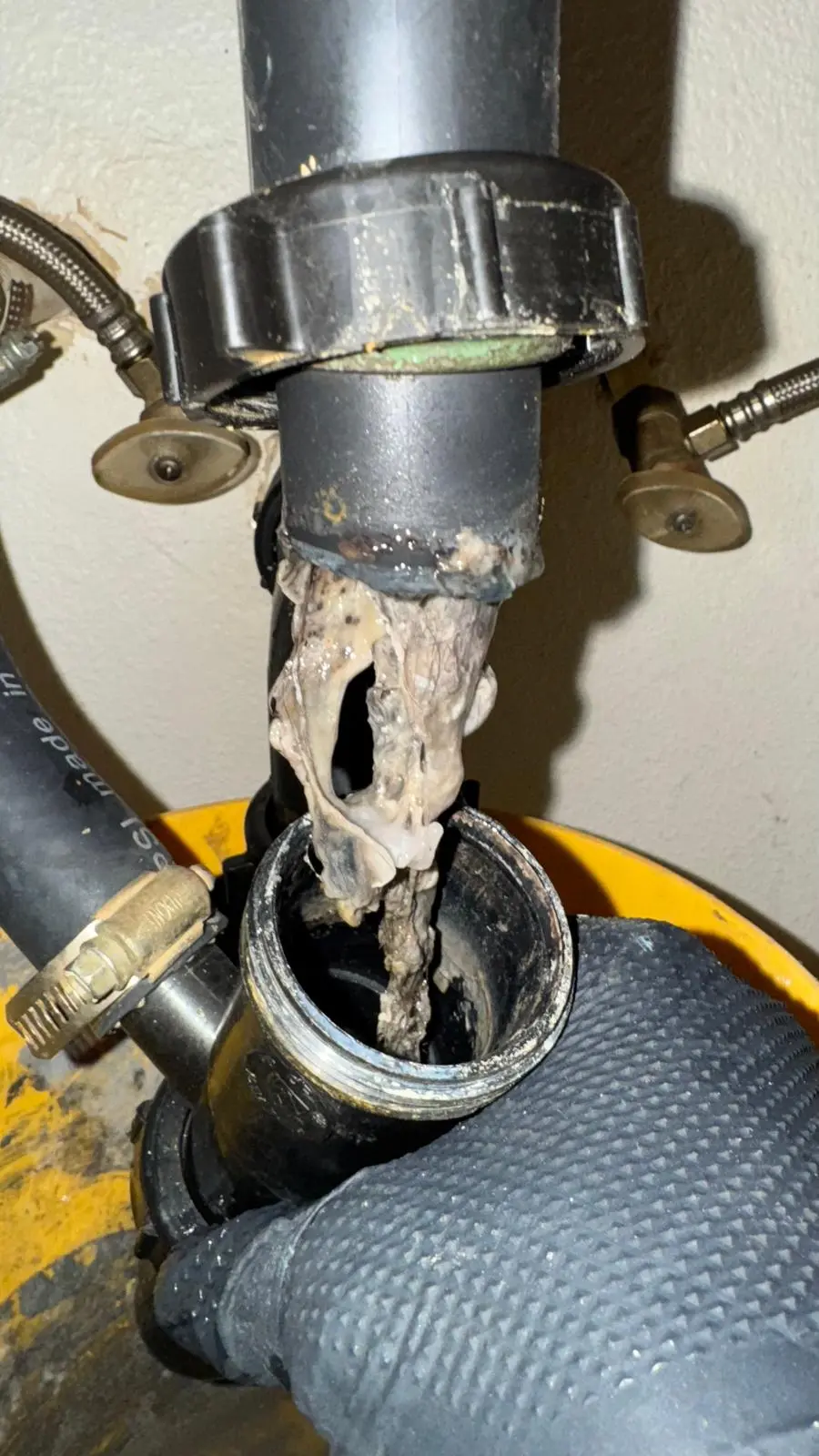
Plumbing problems can range from a dripping faucet to a hidden leak that damages walls, cabinets, or flooring. For homeowners in Las Vegas, mineral-rich water can also contribute to visible scale buildup on faucets, showerheads, and other water-using fixtures.
Understanding the symptoms of common plumbing problems can help you identify what may be happening, determine how urgent the issue is, and decide when professional attention is appropriate.
This guide covers common plumbing problems Las Vegas homeowners may encounter, including leaking faucets, running toilets, clogged drains, low water pressure, water heater issues, hard-water buildup, and water damage.
For help with an existing issue, explore the plumbing services available in Las Vegas.
A faucet that continues dripping after being turned off usually indicates that one or more internal components are no longer sealing properly.
Depending on the faucet design, possible causes include:
Hard water contains dissolved minerals, primarily calcium and magnesium. As water evaporates from the surface of a fixture, mineral residue can remain behind.
Over time, you may notice white or chalky deposits around the faucet aerator, spout, handle, or base. Scale can also accumulate around small openings and moving components.
Mineral buildup isn’t responsible for every faucet leak, however. Mechanical parts naturally wear with use, so identifying the actual source of the leak is important before choosing between repair and replacement.
Repair can make sense when the fixture is otherwise in good condition and the problem can be traced to a replaceable component.
Replacement may be worth considering when a faucet is significantly corroded, physically damaged, difficult to repair, or experiencing recurring failures.
If the issue involves your kitchen sink, see our kitchen faucet repair and installation services in Las Vegas.
A toilet should stop filling shortly after the tank refills following a flush. If you continue hearing water afterward, a tank component may not be functioning correctly.
Common components associated with a running toilet include:
One common cause is a flapper that no longer seals the flush valve correctly. Water slowly escapes from the tank into the bowl, causing the fill valve to replenish it.
Problems with the float or fill valve can also cause the tank to fill improperly.
A continuously running toilet shouldn’t simply be considered background noise. It represents water moving through the fixture when it isn’t needed.
One failed component doesn’t necessarily mean the entire toilet needs replacement.
However, an older toilet that repeatedly leaks, clogs, rocks, has physical damage, or requires frequent repairs may justify replacement rather than continuing to replace individual components.
Learn more about toilet replacement in Las Vegas if your existing fixture is becoming unreliable.
Slow drainage typically indicates that something is restricting the normal movement of water through a drain.
The material responsible often depends on the location of the fixture.
Kitchen drain restrictions can involve combinations of:
Putting grease or cooking oil down a kitchen drain can contribute to buildup as material collects inside the pipe.
Bathroom sinks, tubs, and showers are more likely to accumulate:
These materials can combine into a restriction that becomes progressively worse.
The number of affected fixtures can provide useful information.
One slow sink may indicate a localized restriction associated with that fixture or branch drain. Several fixtures experiencing drainage problems around the same time can suggest a broader issue.
Recurring or widespread drainage problems deserve proper diagnosis rather than repeated temporary treatment.
For help determining whether the problem falls within our service scope, see our Las Vegas plumbing services.
Low water pressure is a symptom rather than a diagnosis.
The cause could be as simple as buildup inside a faucet aerator or involve another part of the plumbing or water-supply system.
Possible causes include:
This distinction can help narrow the problem.
If one kitchen faucet has weak flow but the rest of the house functions normally, start by considering the individual fixture and its aerator.
If the entire house experiences a noticeable pressure change, the cause may be elsewhere.
Also consider whether the issue affects:
A sudden or widespread pressure change should be investigated rather than automatically blamed on hard water.
Water hardness is particularly relevant when discussing plumbing and fixtures in Southern Nevada.
Hard water contains dissolved calcium and magnesium. When water evaporates, mineral residue can be left behind on exposed surfaces.
Homeowners may notice mineral deposits around:
Scale around an aerator or showerhead can also restrict small water openings and reduce flow.
The relationship is more nuanced than simply saying that hard water “destroys pipes.”
Mineral scale can affect certain fixtures, water-heating equipment, and components over time, but not every plumbing failure is caused by water hardness.
A leaking pipe, for example, can have a completely different cause.
If mineral buildup or water quality is a concern in your home, learn more about water filtration systems in Las Vegas.
A water heater problem can affect everything from showers to dishwashing and other daily household activities.
Because several different problems can produce similar symptoms, the symptom itself doesn’t always identify the failed component.
Watch for symptoms such as:
Depending on the type of system and water conditions, sediment and mineral material can accumulate inside a tank over time.
Accumulation may contribute to noise or reduced performance in some situations.
However, noises from a water heater should not automatically be diagnosed as sediment. The correct diagnosis depends on the type of equipment, its condition, and the specific symptoms.
Water around a water heater deserves timely attention.
The moisture could originate from a plumbing connection, valve, drain component, tank, or another nearby source. Identifying where the water originates is more useful than assuming the heater itself has failed.
See our water heater repair and installation services in Las Vegas for more information.
Not every plumbing leak is immediately visible.
A connection under a sink might produce an obvious drip, while a concealed leak can first appear as a stain, damp area, or change in surrounding building materials.
Pay attention to:
These symptoms don’t prove that a pipe is leaking, but they justify investigating where the moisture is coming from.
Yes. Repeated moisture exposure can stain or deteriorate drywall and the finishes covering it.
The water source should be identified and addressed before permanently repairing the affected wall or ceiling. Otherwise, the newly repaired surface may simply become damaged again.
Once the source of moisture has been corrected and the area is suitable for repair, our sheetrock repair service in Las Vegas may be relevant for restoring damaged walls or ceilings.
This is also a good example of why plumbing problems sometimes become broader home-repair projects rather than remaining isolated to a fixture.
Water near the base of a toilet should be investigated rather than simply wiped away whenever it appears.
Possible sources include:
A toilet should remain stable against the floor.
If it moves or rocks noticeably during use, there may be a mounting, floor, or installation issue requiring attention. Movement can also interfere with the integrity of seals.
Persistent water around the base of a toilet can eventually affect flooring and nearby building materials.
If replacement becomes appropriate, see our Las Vegas toilet replacement service.
Bathrooms bring many systems and materials together within a relatively small space.
A typical bathroom can contain:
Removing fixtures or finishes during renovation can sometimes reveal previously concealed water damage or plumbing issues.
The order of work matters.
When plumbing needs to be altered, repaired, or inspected, that work generally needs to be coordinated with wall, vanity, fixture, and finish installation.
Otherwise, newly installed materials may need to be reopened or removed.
If you’re planning a larger bathroom update, explore our bathroom remodeling services in Las Vegas.
A plumbing leak may affect more than the pipe or fixture where it started.
Water can also damage adjacent:
The visible damage might even appear somewhere other than the actual source because water can travel along materials before becoming noticeable.
This sequence is important.
If a ceiling stain is caused by a leaking plumbing connection, painting the ceiling doesn’t solve the underlying problem.
The source should be addressed first. Damaged materials can then be evaluated and repaired as appropriate.
For wall or ceiling damage after the moisture source has been corrected, see our sheetrock and drywall repair services.
Hard water isn’t a separate issue from the rest of a home’s plumbing. It interacts with several fixtures and systems that use water every day.
The semantic relationship looks like this:
Hard water → dissolved calcium and magnesium → mineral scale → fixtures and water-using equipment → restricted openings or buildup → maintenance concerns.
This can affect or become visible around:
That does not mean hard water is responsible for every failure involving these components. Mechanical wear, installation problems, deterioration, leaks, and other factors can produce similar symptoms.
Water filtration and water softening are related to water treatment, but they aren’t interchangeable concepts.
A filtration system is designed to reduce particular substances from water depending on the filtration technology being used.
Different filters address different water-quality concerns.
A conventional water softener specifically addresses hardness minerals such as calcium and magnesium, commonly through ion exchange.
A filter does not necessarily soften water, and a softener isn’t designed to accomplish every filtration objective.
Understanding what you want to change about your home’s water should therefore come before selecting treatment equipment.
Explore water filtration options for Las Vegas homes if you’re considering a water-treatment system.
Not every plumbing problem is equally urgent.
A little mineral residue around a faucet is very different from water actively flowing into a wall.
Seek timely professional assistance when a problem involves:
When water is actively escaping and it can be done safely, shutting off the appropriate water supply may help limit additional damage while qualified assistance is arranged.
Work involving gas systems, electrical hazards, sewer systems, specialized trades, or permit/licensing requirements should be handled by appropriately qualified professionals.
It isn’t possible to prevent every plumbing failure, but regular observation can help identify small problems earlier.
Look periodically inside kitchen and bathroom cabinets. Dampness, staining, warped materials, or corrosion around connections can indicate a slow leak.
A noticeable change in flow can indicate a fixture problem, mineral restriction, valve issue, leak, or another water-supply concern.
If a toilet regularly refills when nobody has used it, inspect or have the tank components evaluated.
Changes in noise, hot-water availability, visible moisture, or overall performance can justify closer inspection.
Knowing how to stop the water supply before an emergency occurs can be valuable if a significant leak develops.
If the same problem continually returns, finding the underlying cause is generally more useful than repeatedly treating the symptom.
Common household plumbing issues include dripping faucets, running toilets, clogged or slow drains, low water pressure, leaking connections, pipe leaks, water heater problems, and mineral buildup around fixtures.
The specific cause depends on the fixture, plumbing system, water conditions, age, and maintenance history.
White or chalky deposits around faucets and showerheads are commonly associated with minerals left behind when hard water evaporates.
Calcium-related scale can become especially visible around small openings and surfaces that are repeatedly wet and allowed to dry.
Mineral deposits can restrict flow through components such as faucet aerators and showerheads.
However, low water pressure has many possible causes. Widespread or sudden changes should be diagnosed rather than automatically attributed to hard water.
It depends on the age and condition of the fixture and what is causing the leak.
Replacing a worn cartridge, seal, washer, or similar component may resolve the problem. Replacement may make more sense when the faucet is extensively worn, corroded, damaged, or repeatedly failing.
For kitchen fixtures specifically, see our kitchen faucet repair and installation service.
Yes. Repeated exposure to moisture can damage sheetrock/drywall and its surface finishes.
Correct the moisture source before completing permanent wall repairs. Our Las Vegas sheetrock repair service covers wall and ceiling repairs within the listed service scope.
Yes. A toilet that keeps running generally indicates that a component inside the tank isn’t controlling or sealing the water properly.
Common possibilities include the flapper, fill valve, float, chain, and flush-valve components.
Consider professional assistance when you have persistent leaks, repeated drain problems, unexplained low pressure, significant water heater issues, concealed water damage, or a problem you cannot safely diagnose or repair.
For available services, visit our Las Vegas plumbing service page.
Common plumbing problems often begin with recognizable symptoms: a faucet starts dripping, a toilet repeatedly runs, a drain becomes slower, water pressure changes, mineral deposits become noticeable, or moisture appears where it shouldn’t.
The key is identifying the actual source instead of treating every symptom as the same problem.
Save More Handyman provides plumbing-related and home repair services in Las Vegas. You can review our plumbing services, explore completed home improvement projects, or book an appointment for your home.

 101 E 129th St, East Chicago, IN 46312, US
  hi.example@gmail.com