Water Stains on Your Ceiling – What They Mean
November 3, 2026

 8:00am – 6:00pm, Mon-Thur : 8:00am – 4:00pm, Fri-Sat: Sun-Closed
 Americanwood St, Las Vegas, NV 89130, United States
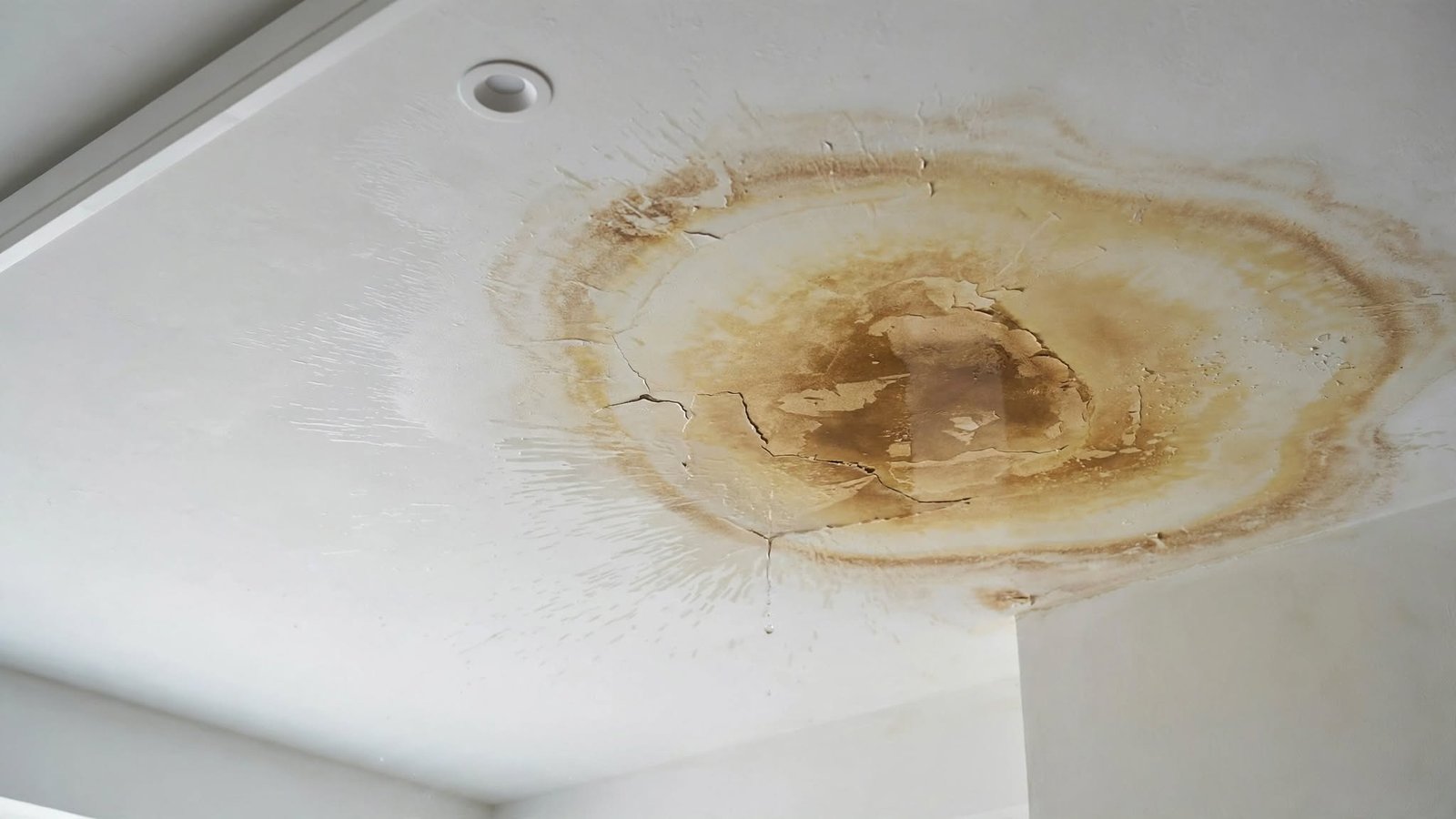
A water stain on the ceiling is one of those home problems that sits right on the border between “probably fine” and “potentially serious.” It’s tempting to dismiss a small brown spot as cosmetic, especially in Las Vegas where heavy rainfall is infrequent and most homeowners don’t associate their ceilings with water exposure. But ceiling stains almost always indicate active or past moisture intrusion from above—and the source is rarely as minor as it appears.
Understanding what your ceiling stain is telling you, where the water is actually coming from, and whether the damage is surface-level or structural will determine whether this is a weekend paint job or a call to a professional.
Ceiling stains are symptoms, not the problem itself. The drywall on your ceiling is absorbing moisture from somewhere above it, and that moisture has a source. Even if the stain appears dry and stable, the conditions that created it may still be active.
Three reasons ceiling stains demand attention:
The damage is almost always worse than it looks. Water travels along framing, pipes, and ductwork before it reaches the ceiling surface. A stain the size of a dinner plate may indicate several square feet of saturated drywall and insulation above it. By the time water is visible on the ceiling, it has typically been accumulating for days or weeks.
Structural integrity degrades over time. Ceiling drywall is installed horizontally and relies on screws and adhesive to resist gravity. When the gypsum core absorbs moisture, it loses rigidity. A water-weakened ceiling panel can sag, crack, or in extreme cases, collapse under its own weight—especially if the water source is still active.
Mold begins growing within 24–48 hours. As discussed in our guide on water damage to drywall, wet gypsum and paper facing create ideal conditions for mold. Ceiling cavities are dark, poorly ventilated, and rarely inspected, which means mold can establish itself before you notice any visible signs.
Identifying the source is the most important step in addressing a ceiling stain. The cause determines the urgency, the repair approach, and whether a handyman, plumber, or roofer is the right professional to call.
In multi-story homes, the most frequent cause of ceiling stains is a plumbing leak in the floor above. Supply lines, drain pipes, toilet wax rings, and shower pan liners can all develop slow leaks that drip onto the ceiling drywall below.
These leaks are often hidden water leaks that produce no visible signs in the upstairs bathroom or kitchen. The water follows the path of least gravity—down through the floor framing and onto the ceiling below.
Clue: The stain is directly beneath a bathroom, kitchen, or laundry room on the upper floor.
For single-story homes—or stains on the top-floor ceiling of multi-story homes—the roof is the most likely culprit. Las Vegas’s dry climate makes this less common than in wetter regions, but monsoon storms between July and September can expose compromised roofing, damaged flashing around vents and chimneys, or deteriorated sealant around skylights.
Clue: The stain appears or worsens after rain. It may be located near an exterior wall, around a vent pipe penetration, or beneath a skylight.
Air conditioning ducts running through attic spaces can produce condensation, especially during Las Vegas’s extreme summer months when the temperature differential between cooled duct air and hot attic air is enormous. If duct insulation is damaged, missing, or improperly installed, condensation can drip onto ceiling drywall.
A clogged condensate drain line on the air handler can also overflow and leak into the ceiling cavity, particularly if the unit is located in the attic.
Clue: The stain appears during peak summer cooling season and is located near supply vents or the air handler location.
In single-story homes with attic space above the bathroom, inadequate ventilation can allow moisture from showers to migrate into the attic. Over time, this condensation accumulates on the underside of the roof deck and drips onto the bathroom ceiling.
Clue: The stain is in or near a bathroom ceiling, and the bathroom lacks an exhaust fan or the fan is undersized.
Not all ceiling stains are created equal. The visual characteristics of the stain can help you narrow down the cause and severity.
These are the most common and typically indicate water that has picked up tannins, minerals, or rust from building materials as it traveled through framing or pipe insulation. Brown stains often suggest a slow, ongoing leak rather than a sudden flood event.
Dark discoloration may indicate mold growth on or within the ceiling drywall. This is a health concern and requires professional assessment before any repair attempt. Do not sand or disturb dark stains without proper containment.
A small, stable stain that hasn’t changed in months may represent a past event that has since been resolved—a one-time roof leak during a storm, for example. An expanding stain, or one that darkens after rain or heavy water use upstairs, signals an active leak that needs immediate attention.
This is the most common question homeowners ask, and the honest answer is: only if the source has been permanently resolved and the drywall is structurally sound.
Painting over a ceiling stain without addressing the cause is a temporary cosmetic fix that will fail. The moisture will continue to wick through the drywall, and the stain will reappear through the new paint—often within weeks.
If the source is fixed and the drywall is dry and firm:
If the drywall is soft, sagging, or shows signs of mold: Painting is not appropriate. The damaged section needs to be cut out and replaced. Our guide on repairing water-damaged drywall covers when DIY repair is feasible and when professional help is necessary.
You should contact a professional if:
A professional can perform moisture testing, trace the water path back to its source, and determine whether the ceiling needs patching, partial replacement, or full replacement. If the source is plumbing-related, resolving the leak first is essential—our Las Vegas plumbing services include leak detection and repair to address the root cause before any cosmetic restoration begins.
Maintain your plumbing. Many ceiling leaks originate from common plumbing problems like aging supply lines, corroded fittings, or failing toilet seals. Annual plumbing inspections catch these issues before they cause ceiling damage.
Inspect your roof before monsoon season. Check flashing, shingles, and sealant around penetrations in late spring, before summer storms arrive.
Service your HVAC system. Ensure condensate drain lines are clear and duct insulation is intact, especially before the cooling season begins.
Ventilate bathrooms properly. Run exhaust fans during and after showers. If your bathroom lacks a fan, installing one is one of the most effective moisture-prevention upgrades you can make.
Monitor your water bill. An unexplained increase in water usage can indicate a hidden leak that may eventually manifest as a ceiling stain.


 Americanwood St, Las Vegas, NV 89130, United States
 savemorehm@gmail.com
Get a Free Estimate Today!
Call us for a cost estimate over the phone.
Copyright © 2026 Save More Handyman Services. All rights reserved